
Mapped: Annual Retirement Costs by State
Mapped: Annual Retirement Costs by State This was originally posted on our Voronoi app. Download the app for free on iOS or Android and discover incredible data-driven charts from a variety of trusted sources. Key Takeaways Hawaii is the most expensive state to retire comfortably in, requiring nearly $130K per year That’s more than double of the cheapest states, which include West […]
Continue reading
The Growing Impact of Alzheimer’s
When a loved one is hospitalized, it’s easy to feel overwhelmed, especially when navigating the hospital discharge process. “My loved one is being discharged from the hospital already? Now what?” is a common question asked of the Hurley Elder Care Law team. Here are key pieces of advice that can help make navigating the hospital discharge process smoother and […]
Continue reading
The Growing Impact of Alzheimer’s
The Growing Impact of Alzheimer’s As of 2025, the Alzheimer’s Association estimates that 7 million Americans aged 65 and older are living with Alzheimer’s disease—a number projected to nearly double to 13 million by 2050. The financial toll is staggering: total annual care costs are projected to reach $384 billion this year and nearly $1 trillion by 2050. Unpaid caregivers, often family […]
Continue reading
Falls
More than one out of four older adults fall each year. 3 million adults 65+ are treated in emergency departments for unintentional fall injuries each year. As a result of falls, every 11 seconds, an older adult is treated in the emergency room; every 19 minutes, an older adult dies.
Continue reading
Chronic Diseases
Older adults are disproportionately affected by chronic conditions, such as diabetes, arthritis and heart disease. Nearly 95% have at least one chronic condition, and nearly 80% of have two or more. The leading causes of death among older adults in the U.S. are heart disease, cancer, COVID-19, stroke, chronic lower respiratory diseases, Alzheimer’s diseases, and […]
Continue reading
Physical Activity
Regular exercise can help older adults stay independent and prevent many health problems that come with age. According to the 2018 Physical Activity Guidelines for Americans, older adults should do two types of physical activities each week to improve their health- aerobic and muscle-strengthening. These guidelines recommend that older adults engage in at least 150 […]
Continue reading
Behavioral Health
One in Four older adults experiences a behavioral health problem such as depression, anxiety, or substance abuse. These problems can complicate the treatment of other medical conditions, reduce quality of life, increase use of health care services, and lead to premature death. In 2020, nearly 14,500 people 60+ died by suicide. Men aged 85+ have […]
Continue reading
Oral Health
Oral health is important for overall health and well-being, but 35% of older adults have not seen a dentist in the last year. About 17% of older adults no longer have any natural teeth. Of those with teeth about 16% of older adults have untreated tooth decay, and over 70% have periodontal (gum) disease. Poor […]
Continue reading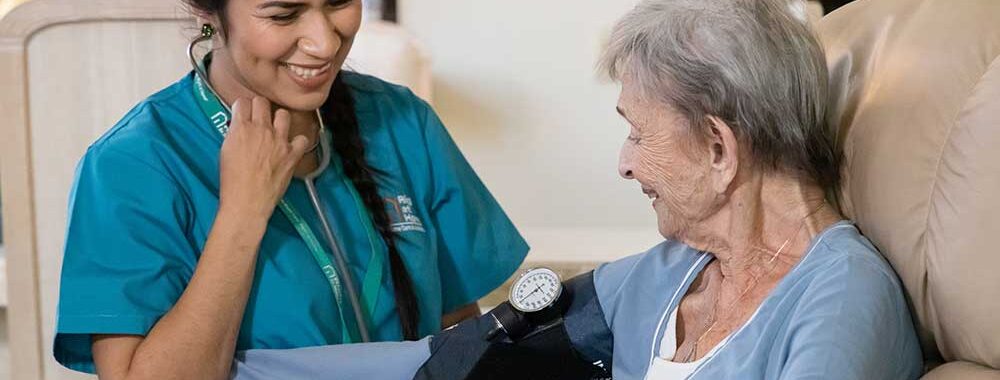
Chronic Disease Management
NCOA’s National Chronic Disease Self-Management Education Resource Center provides leadership, technical assistance, and resources to support state and community-based partners in expanding and sustaining evidence-based programs, including the suite of Chronic Disease Self-Management Education Programs, originally developed by Stanford University. These programs, which are available in the community and online, help older adults better manage […]
Continue reading
National Council on Aging’s Role
The National Council on Aging’s (NCOA) Center for Healthy Aging believes that every person has a right to age well and focuses on improving the lives of older adults by producing solutions that address social and behavioral determinants of health and wellbeing. The Center houses three National Resource Centers funded by the U.S. Administration for […]
Continue reading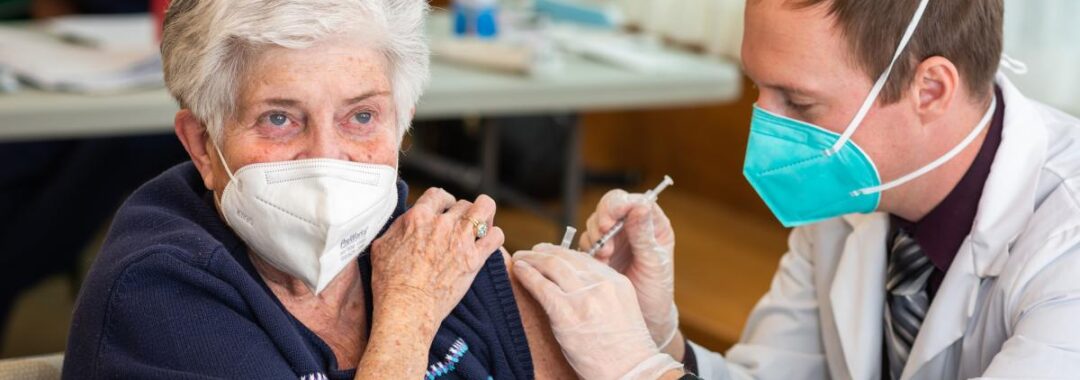
Infectious Disease Prevention
More than nine in 10 deaths from COVID were among people 50 and over in 2020-2023, and 70-85% of seasonal flu-related deaths occur in adults 65+, according to the U.S. Center of Disease Control and Prevention. While life saving vaccines are available, research shows COVID vaccine uptake has slowed among older adults. […]
Continue reading
Aging In Place Statistics And Facts In 2025
Interesting Aging in Place Facts Aging in place requires careful planning, including decisions about additional help in the home and in-home health care, with safety, mobility and daily activities in mind. People who age in place may need help with activities of daily living (ADLs), such as bathing, eating, dressing, using the toilet or moving […]
Continue reading
Aging: The Surprises of Getting Older
Brain Changes for Aging Adults There’s a bit of good news and a bit of bad news for aging adults when it comes to mental work. Let’s start with the bad. After your 30s, your ability to process information usually declines. So does your capacity to remember things. Maybe there’s some truth to the old […]
Continue reading
Things to know about health in seniors
Regular exercise results in better health outcomes for seniors. As people get older, physiological changes occur in their bodies as a natural part of aging. Physical changes due to aging can occur in almost every organ and can affect seniors’ health and lifestyle. Some diseases and conditions become more prominent in the elderly. Psychosocial issues […]
Continue reading
What changes occur in the body as we age?
A wide range of changes can happen in the body to different degrees as we age. These changes are not necessarily indicative of an underlying disease but they can be distressing to the individual. Even though the aging process cannot be stopped, being aware of these changes and adopting a healthy lifestyle can reduce their […]
Continue reading
16 Most common diseases and conditions seniors face as they age
Medical problems in the elderly can involve any organ system in the body. Most conditions result from decreased function or degeneration of the involved organ. 16 Most commonly encountered medical conditions in seniors based on organ system are listed below: Musculoskeletal: osteoarthritis (inflammation of joints due to wear and tear), osteoporosis (bone loss), gout, loss of muscle mass, fractures. Hormonal: Diabetes (impaired […]
Continue reading
8 Social issues affect the life and health of seniors
Social issues can have a significant impact on the life and both the physical and mental health of seniors. Some of the major contributors to social and psychological problems for seniors are as follows: Loneliness from losing a spouse and friends Inability to independently manage regular activities of living Difficulty coping and accepting physical changes […]
Continue reading
14 Lifestyle changes seniors can make to lead a healthy life as they age
A balanced diet and participation in regular exercise are paramount in maintaining a healthy life for people of all ages. Routine exercise and a healthy diet in seniors can have an even more noticeable impact on their general well-being. Many diseases in seniors may be prevented or at least slowed down as a result of a healthy […]
Continue reading
9 Benefits of exercise for seniors
The benefits of exercise in disease prevention and progression cannot be overemphasized. Regular physical activity and exercise can help manage or even prevent a variety of health problems in the elderly. Heart disease, high cholesterol, diabetes, osteoporosis, muscle weakness, certain cancers, depression, and stroke are some of the common medical conditions in which routine physical activity and effective exercising may greatly […]
Continue reading
Aging Signs in DNA
Signs of aging appear deeper than just your skin and hair. Did you know you can see it in your DNA? That’s right, your own genetic makeup indicates your age through the ends of your chromosomes, known as telomeres. These telomeres shorten as you age, which is associated with easier sickness and worse chances of […]
Continue reading
What is a hospitalist, and where is my regular doctor?
Hospitalists are board-certified internal medicine physicians who see a majority of hospitalized patients on behalf of their regular doctors. In modern-day medicine, hospitalists play a key role in the medical care of patients in hospitals. As seniors make up a significant portion of patients in hospitals, hospitalists are also critical to the medical care of […]
Continue reading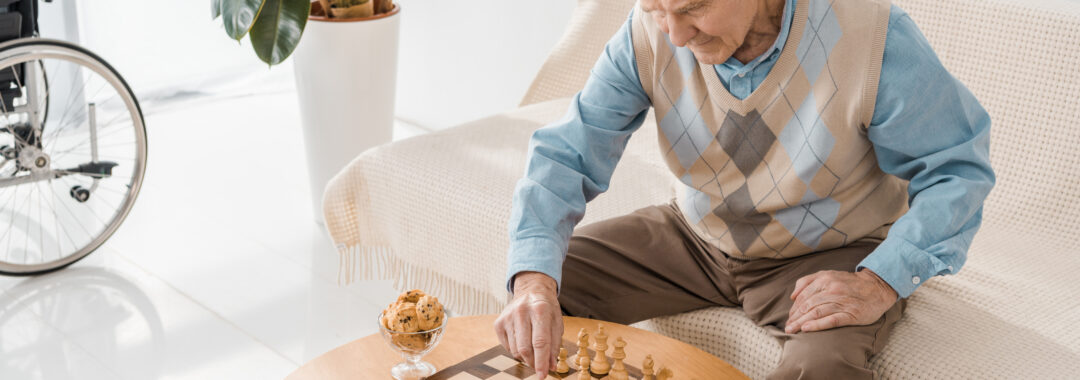
What are some concerns regarding hospitalization of the elderly?
With increasing medical issues in seniors, their medical care becomes more complex and difficult to manage. Subsequently, seniors become ill more severely and frequently. the overall health status can decline as a result. Although hospitalization is often necessary for seniors, it is not always free of risk. Episodes of waxing and waning confusion (delirium) are […]
Continue reading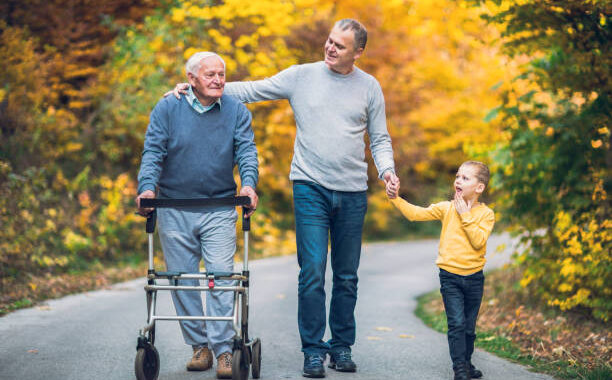
What are important safety measures for the elderly?
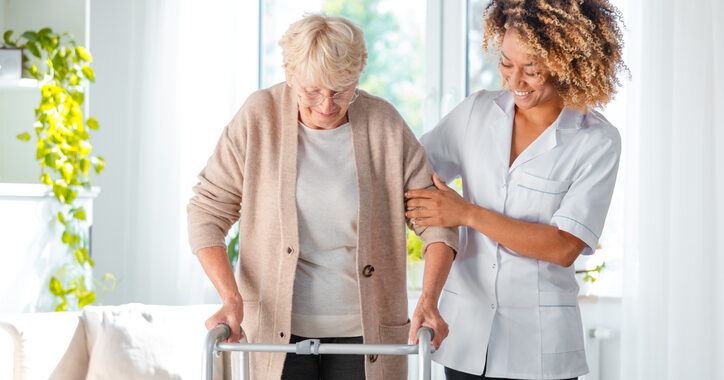
General safety measures both at home, and away from home, are encouraged and recommended to elderly patients and their family members. Falls and injuries, confusion, adherence to medical instructions, and future health and financial planning are among the concerns pertinent to elderly care. Simple home safety recommendations for seniors include: Use canes or walkers and […]
Continue reading
Health Screening Tests
Sometimes the possible risks associated with certain tests may outweigh the potential benefits. Therefore, there are times when the right decision for an individual is to not have further testing for certain conditions.
Continue reading
How to Move a Parent to Assisted Living
Nervous about helping your parent(s) make the transition to assisted living? Here are our top tips for how to move a parent to assisted living. How to Move a Parent to Assisted Living: A Complete Guide to Making a Smooth Transition Even if they are consenting, moving a parent into assisted living is difficult. There […]
Continue reading
Implications of caring for an aging parent.
Abstract The burden of care for the aged often falls on their adult children, who are themselves stressed by the developmental tasks of middle age. These people are frequently unprepared for the role of caregiver, in which they become parents to their own parents. The author describes the potentially turbulent effect of this role and […]
Continue reading
The Emotional Toll of Moving Your Elderly Parent to Senior Living
Minding Our Elders Be it ever so humble, there’s no place like home. For most of us, the feeling is less about how large or fancy a residence is than about it being a place where we feel safe and where we have created countless memories with those closest to us. Furthermore, we fill our […]
Continue reading