What are important safety measures for the elderly?
General safety measures both at home, and away from home, are encouraged and recommended to elderly patients and their family members. Falls and injuries, confusion, adherence to medical instructions, and future health and financial planning are among the concerns pertinent to elderly care.
Simple home safety recommendations for seniors include:
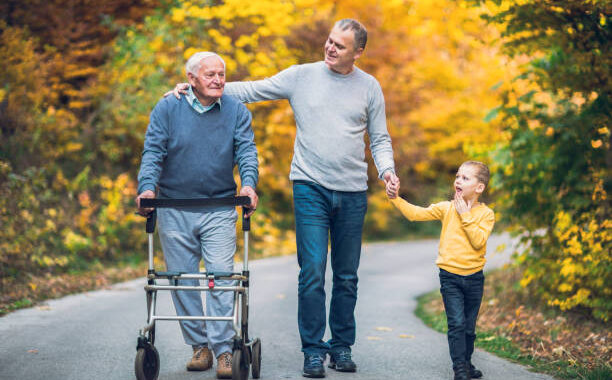
- Use canes or walkers and shower seats for fall prevention if unsteady on your feet.
- Utilizing assist devices such as walkers, wheelchairs, and scooters to promote safe mobility and independence if difficulty getting around.
- Replacing hardwood floors with carpeting for injury reduction in case of a fall (avoid throwing rugs on hardwood floors or potentially slick surfaces).
- Using hearing aids, wearing glasses, and installing good lighting to diminish the effects of hearing and visual problems.
- Managing medications by taking advantage of pillboxes when keeping track of medications becomes burdensome.
- Hiring caregivers or accepting assistance from family members if activities of daily living become difficult.
- Scheduling routine sleep and wake times to improve sleep quality and daytime efficiency.
- Subscribing to medical alert systems and programming emergency phone numbers into cell phones for easy access in cases of emergency.
- Planning regular social activities to improve social interactions.
- Driving with care and recognizing when it may be safer to stop driving.
- Preparing a properly executed advance healthcare directive, living will, and trust to outline decisions and preferences in preparation for the time a person may become incapable of making sound decisions.
Another noteworthy concern for the elderly is the subject of medications. With the rise in availability of various medications, naturally, a growing list of drugs id offered to the elderly due to their high prevalence of medical conditions. As a consequence, interactions between these drugs and their individual side effects become increasingly more likely. The best approach to address these concerns is a discussion and periodic medication review with the treating physicians or the primary care doctor. If the elderly patient or their caregiver keeps up-to-date records of allergies, medications, diseases, medical and surgical history, and advance directives readily available; the patient will have a better experience if they need emergent care or hospitalization. This is especially true if they arrive at a hospital where the patient's doctors do not practice, or if they need medical care while "on vacation" or "traveling".